
Need Help? Call Now
1-800-952-8444Free Consultation
Need Help? Call Now
1-800-952-8444Posted on May 17, 2026
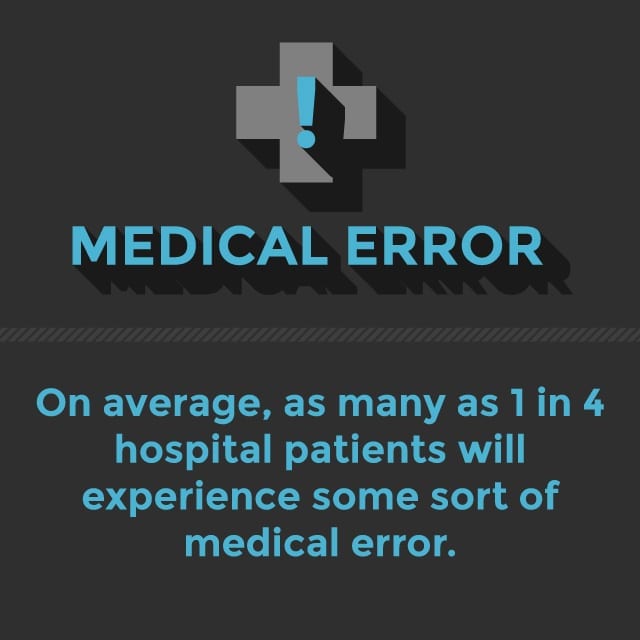
Medical errors include, but are not limited to, the misdiagnosis and/or mismanagement of an ailment that a patient is afflicted with. As discussed previously on our blog, medical malpractice has been found to be the 3rd leading cause of death in the US. But did you also know that in a recent survey of more than 6,000 physicians, 96% felt diagnostic errors were preventable?
Medical errors can result in extreme, lifelong preventable injuries in affected patients. Medical malpractice suits can help to reduce the risk of medical error, as the threat of medical malpractice suits motivate hospitals to continually develop plans to improve patient care guidelines. For more on how this works in New Jersey, see our New Jersey Medical Malpractice Attorneys page.
The information below calls out the basics of medical error, stats about repeat offenders and how to protect yourself through awareness.

Medical errors are preventable mistakes that occur during the delivery of healthcare and can lead to patient harm. These errors may happen during diagnosis, treatment, medication administration, surgery, or follow-up care. While some errors result in minor issues, others can cause serious complications, permanent injury, or death.
Many medical errors result from communication failures, system breakdowns, or preventable human errors. Even in advanced healthcare settings, these risks persist without strong safety protocols.
Understanding the most common types of medical errors can help patients recognize potential risks and take steps to protect themselves.
Medical errors are not always immediately obvious. However, there are warning signs that may indicate something went wrong during your care.
If something feels off about your treatment, it is important to seek a second opinion and review your medical records.
Reducing medical errors requires both healthcare system improvements and patient awareness. Hospitals can lower risk by improving communication, standardizing procedures, and using better technology to track patient care.
Patients can also play a role by asking questions, confirming medications, and staying informed about their diagnosis and treatment plan.
Medical malpractice claims play a role in improving healthcare standards by holding providers accountable for preventable mistakes. Data shows that a large percentage of diagnostic errors are considered avoidable, highlighting the need for better processes, training, and communication within hospitals.
These improvements can help reduce common issues such as delayed diagnoses and surgical errors, ultimately leading to safer patient outcomes.
Research shows that a small percentage of healthcare providers account for a disproportionate share of malpractice claims. Identifying repeat offenders and addressing patterns of negligence are important steps in reducing preventable medical errors.
By tracking performance and enforcing accountability, healthcare systems can better protect patients and improve overall quality of care.
Preventable medical errors contribute significantly to healthcare costs each year, placing financial strain on both patients and the system as a whole. Reducing these errors not only lowers costs but also allows resources to be redirected toward improving patient safety initiatives.
Efforts to minimize errors can lead to better outcomes, more efficient care, and increased trust in healthcare providers.
DISCLAIMER
The historical information and specific statistics displayed above are solely designed to provide general knowledge to the public and are being used as a part of attorney marketing. Cited statistics and statements were taken from research of various independent websites (referenced below). Weiss & Paarz did not take any steps to replicate the findings of any sources used in this infographic, nor were the numbers or results displayed above independently verified by Weiss & Paarz.
Call 1-800-952-8444